
Understanding Burnol and Its Importance for Everyday Skin Care
Accidents such as minor burns, kitchen injuries, and small cuts can happen at any time, making it important to have a reliable first-aid solution available. burnol is a well-known topical product that has been used by many people for managing minor burns and skin injuries. It is commonly kept in homes because burns often require quick attention to reduce discomfort and protect the affected area from further irritation. Having a basic understanding of how this product works, when it should be used, and what precautions are necessary can help people handle minor skin emergencies more effectively.
Burn injuries vary in severity, and not every burn can be treated with home care. However, for small and superficial burns, a suitable topical application may provide soothing effects and support the natural healing process. Many people use burnol as part of their first-aid routine because it is designed for external use and is associated with burn care. Proper cleaning of the affected area, careful application, and monitoring the injury are essential steps for better results.
What Is Burnol and How Does It Work?
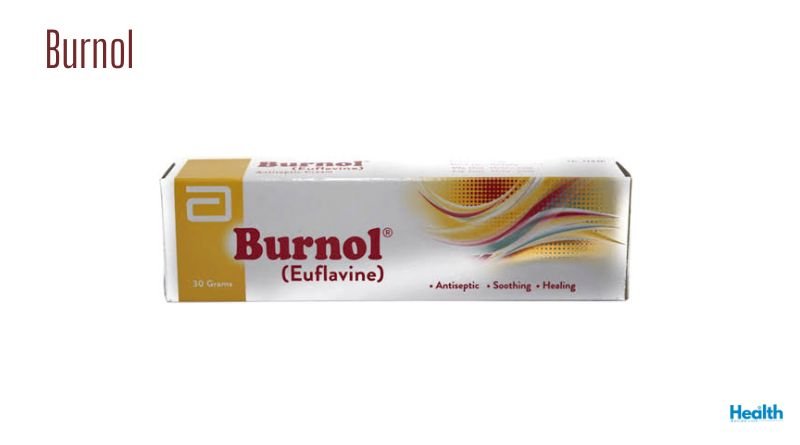
Burnol is a topical antiseptic cream that is generally used for minor burns and small skin injuries. Its purpose is to help protect the skin from infection while providing relief from the discomfort caused by minor burns. The skin acts as a natural barrier for the body, but when it is damaged by heat or injury, the risk of contamination can increase. A product designed for burn care may help maintain a cleaner environment around the affected area.
The effectiveness of any burn treatment depends on the type and seriousness of the injury. Minor burns usually affect the outer layer of the skin and may cause redness, pain, and mild swelling. In such situations, applying an appropriate first-aid cream after cooling and cleaning the area can support recovery. However, deeper burns, large affected areas, or burns caused by chemicals and electricity require medical attention instead of relying only on home treatment.
Common Uses of Burnol in First Aid
One of the main reasons people include burn care products in their medicine cabinets is because minor burns are common household injuries. Cooking activities, hot liquids, steam, and accidental contact with warm surfaces are frequent causes of small burns. In these situations, immediate care can make a difference in comfort and healing.
Burnol is often used for minor kitchen burns, small heat-related injuries, and superficial skin damage. It may also be used for small cuts and wounds where protection from germs is needed. The product is intended for external application, and users should follow the instructions provided with the packaging.
For a minor burn, the first step is usually to cool the affected skin under clean running water for several minutes. After gently drying the area, a thin layer of suitable cream may be applied. Avoiding harsh substances or unnecessary home remedies is important because some methods can irritate damaged skin.
Benefits of Using Burn Care Products Properly
Proper burn care focuses on reducing discomfort, preventing complications, and supporting skin recovery. A suitable topical cream can offer several advantages when used correctly. It may help create a protective layer over the damaged skin and reduce exposure to environmental germs.
Another important benefit is convenience. A ready-to-use first-aid product allows quick action when a minor injury occurs. Families often keep such items nearby because immediate care is easier when supplies are already available.
However, it is important to remember that a cream alone cannot replace proper wound care. Cleaning the injury, keeping it protected, and watching for signs of infection are equally important steps. If symptoms become worse or healing does not progress, professional medical advice should be considered.
How to Apply Burnol Safely
Using any skin product correctly is important for avoiding unwanted problems. Before applying burn care cream, wash your hands and gently clean the affected area if possible. The skin should be free from dirt and other contaminants. After cleaning, apply a small amount as directed.
A common mistake people make is applying too much product or covering the injury without proper cleaning. The goal is to support the skin, not block natural healing. Follow the instructions on the product label and avoid using it on severe burns unless advised by a healthcare professional.
It is also important to avoid contact with eyes or sensitive areas. If irritation, unusual redness, or an allergic reaction occurs, stop using the product and seek medical guidance. Every person’s skin reacts differently, so careful observation is necessary.
When Should You Avoid Self-Treatment?
Although many minor burns can be managed with basic first aid, some injuries need medical care. Large burns, deep wounds, burns with severe pain, blistering over large areas, or injuries affecting the face and sensitive body parts should be evaluated by a medical professional.
People with known allergies to ingredients in topical products should also be cautious. Children, elderly individuals, and people with certain health conditions may require extra care when dealing with skin injuries.
Self-treatment should never delay necessary medical attention. First-aid products are helpful tools, but they are not a replacement for professional treatment when an injury is serious.
Tips to Prevent Burns at Home
Prevention is always better than treatment. Many burns can be avoided by following simple safety habits. When cooking, use caution around hot oil, boiling water, and heated utensils. Keep children away from stoves, heaters, and other sources of heat.
Store medicines and first-aid supplies in an accessible but safe place. Regularly checking your first-aid box ensures that essential items are available when needed. Learning basic burn first aid can also help family members respond quickly during emergencies.
Using protective equipment during activities involving heat, such as gloves or proper tools, can reduce the chance of accidental injuries. Small safety steps can prevent painful situations and protect your skin.
Final Thoughts on Burnol and Minor Burn Care
Minor burns are common injuries that require quick and careful attention. Understanding basic first aid, choosing suitable products, and knowing when to seek medical help are important parts of skin safety. Burnol has remained a popular choice for many households because it is associated with minor burn management and external skin care.
Good burn care is not only about applying a cream but also about taking proper steps before and after treatment. Cooling the burn, keeping the area clean, and monitoring recovery all contribute to healthier healing. With the right knowledge and preparation, people can handle minor skin injuries more confidently while protecting their overall well-being.